

Strategic People Enablement Workforce Strategy for Changing Conditions
AI is changing business demands, and the implications extend beyond roles. What organizations need from management, performance, talent, and organizational infrastructure is changing with them.
Is your people infrastructure designed for where the work is going, or inherited from where it has been?
Every major shift in how work gets done puts pressure on the infrastructure around it. Roles change. Capabilities shift. Management expectations move. Talent systems built for one set of conditions begin producing outcomes that no longer fit the business.
AI is the current pressure point, but the strategic question is larger than technology adoption. It is what changes in the work require from the people, systems, and structures surrounding it.
Strategic People Enablement starts there: diagnosing what your current infrastructure is producing, identifying where the conditions have changed, and determining what needs to change with them.
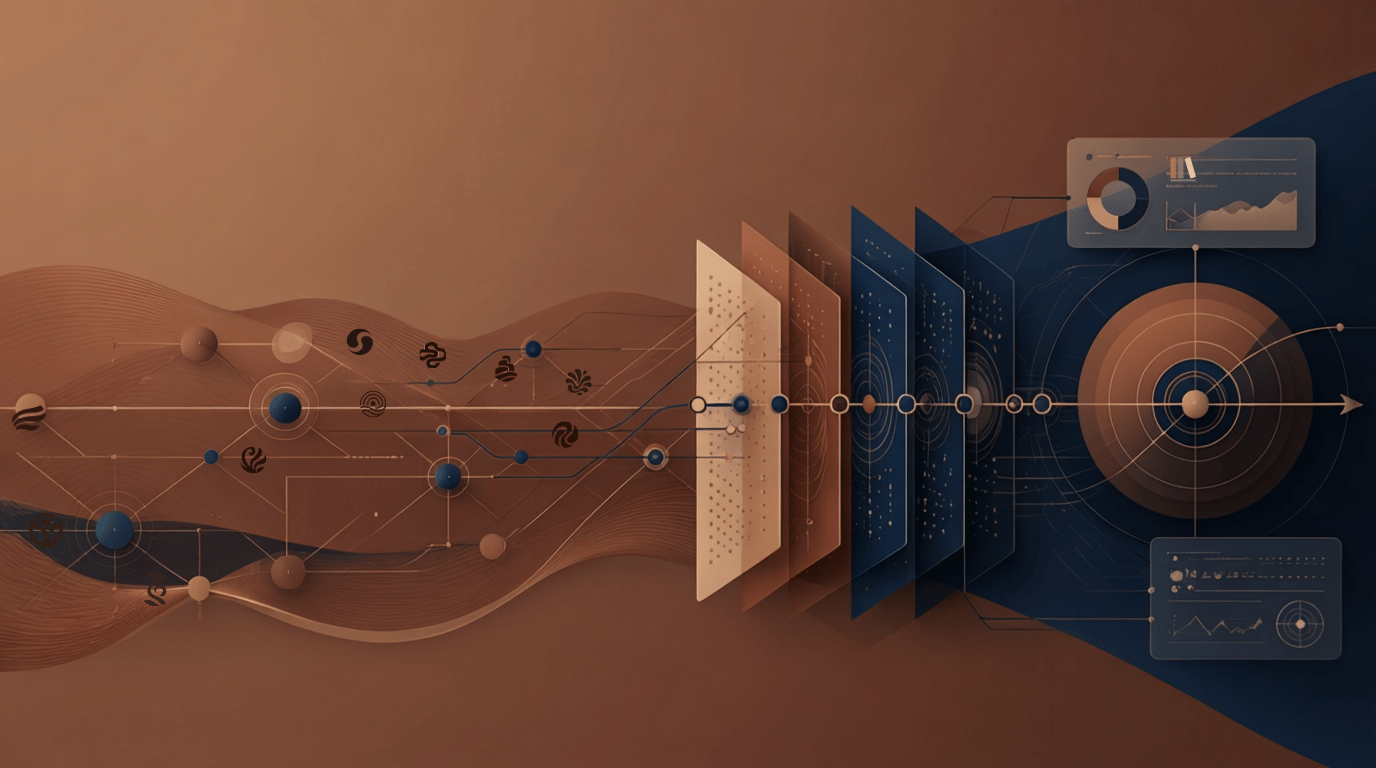
How I Work With OrganizationsImmersion Before Intervention
I look at how systems are functioning inside your organization, not just how they are documented. My approach is shaped by fifteen years inside global holding companies, founder-led businesses, and complex matrixed environments, combined with a background in organizational anthropology and labor history.
Labor history is not an academic lens here, but a strategic glossary. Every workforce disruption AI is creating has a historical analog. Understanding those patterns is what allows me to see what is structural versus what is situational, and to build people infrastructure that holds across the transition rather than requiring rebuilding on the other side of it.
Featured Methodology — The Modern Manager
The IC-to-leadership transition has always been where organizations lose capability. A high performer gets promoted, receives a title and a team, and very little infrastructure to support what is fundamentally a different job.
AI is accelerating this problem, not creating it. As individual contributor work shifts — some automated, some augmented, some eliminated — the management layer becomes more critical, not less. Managers are now responsible for teams whose work composition is actively changing. The organizations that have not built management infrastructure are the ones that will feel this most.
The Modern Manager is the methodology I built to address this gap. At the organizational level it functions as a diagnostic-first leadership development system (grounded in pattern recognition, labor history, and leadership design) built to work inside your organization's actual systems, not alongside them.
How It Works at the Organizational Level
-
Diagnostic
An organizational-level assessment of leadership patterns, manager readiness, and where the IC-to-leader transition is breaking down across the management cohort. This is where we surface what's actually happening versus what's on the succession slide. The diagnostic identifies pattern gaps, capability shortfalls, and the specific points where your pipeline is losing momentum.
-

Architect
Frameworks and materials built around your organization's real structure, performance priorities, and succession needs. This is not off-the-shelf leadership content with your logo on it. The build-out is tied to what the diagnostic reveals and designed to address the specific capability gaps your managers are carrying into their roles.
-

Insight & Action
Facilitated implementation through video-guided modules, live sessions, and direct guidance. Managers work through scenarios pulled from their own organizational context, not hypotheticals from a case study library. This is where capability becomes practice, with my direct involvement in the room.
What This Builds TowardSuccession pipelines with actual depth behind them. Managers who develop talent rather than just evaluate it. Performance infrastructure that functions as a growth system, not a compliance exercise. And reduced dependency on external hires for leadership roles, because the bench was built to hold weight.
Where Conditions Become Structural
Engagements focus on the points where changing business conditions are putting the greatest pressure on people, management, and organizational infrastructure.
-
Assessing the structural impact of AI adoption on your workforce. For example: which roles are shifting, which management capabilities are now critical, and how your talent pipeline needs to be redesigned to build toward what the organization will need, not what it has historically hired for. This is not change management. It is structural workforce architecture informed by what labor history tells us about how technological disruption actually moves through organizations.
-
Assessing, selecting, and project managing the implementation of talent systems that actually serve your people strategy, not just your reporting requirements.
-
Rebuilding performance infrastructure so it connects to development, succession, and business outcomes rather than existing as an annual paperwork cycle.
-
For organizations standing up or restructuring their HR and People operations, designing the function architecture from role design through process and governance.
-
Aligning headcount, structure, and capability to where the business is headed, not where it's been.
Each of these engagements is scoped to the organization's size, complexity, and priority areas.

Who this is forOrganizations navigating a leadership transition, building or rebuilding their people function, scaling without a clear manager development infrastructure, integrating AI into their workforce without a clear structural plan, or sitting on a succession plan that has not been pressure-tested against what the business actually looks like today.
If you are a founder, Chief People Officer, or C-suite executive looking at your management layer and sensing that what got you here will not carry you forward — particularly as AI changes what the work underneath that layer looks like — it starts with a conversation.