About Geneèn
I came to workforce strategy through anthropology, which means I was trained to read the systems people build and the patterns those systems reproduce long before I thought to apply any of it to organizations. That grounding shaped everything: the frameworks I teach, the way I read institutional culture, the questions I ask inside a room, all of it traces back to one discipline, understanding how human beings organize themselves and why those structures hold even when they clearly should not.
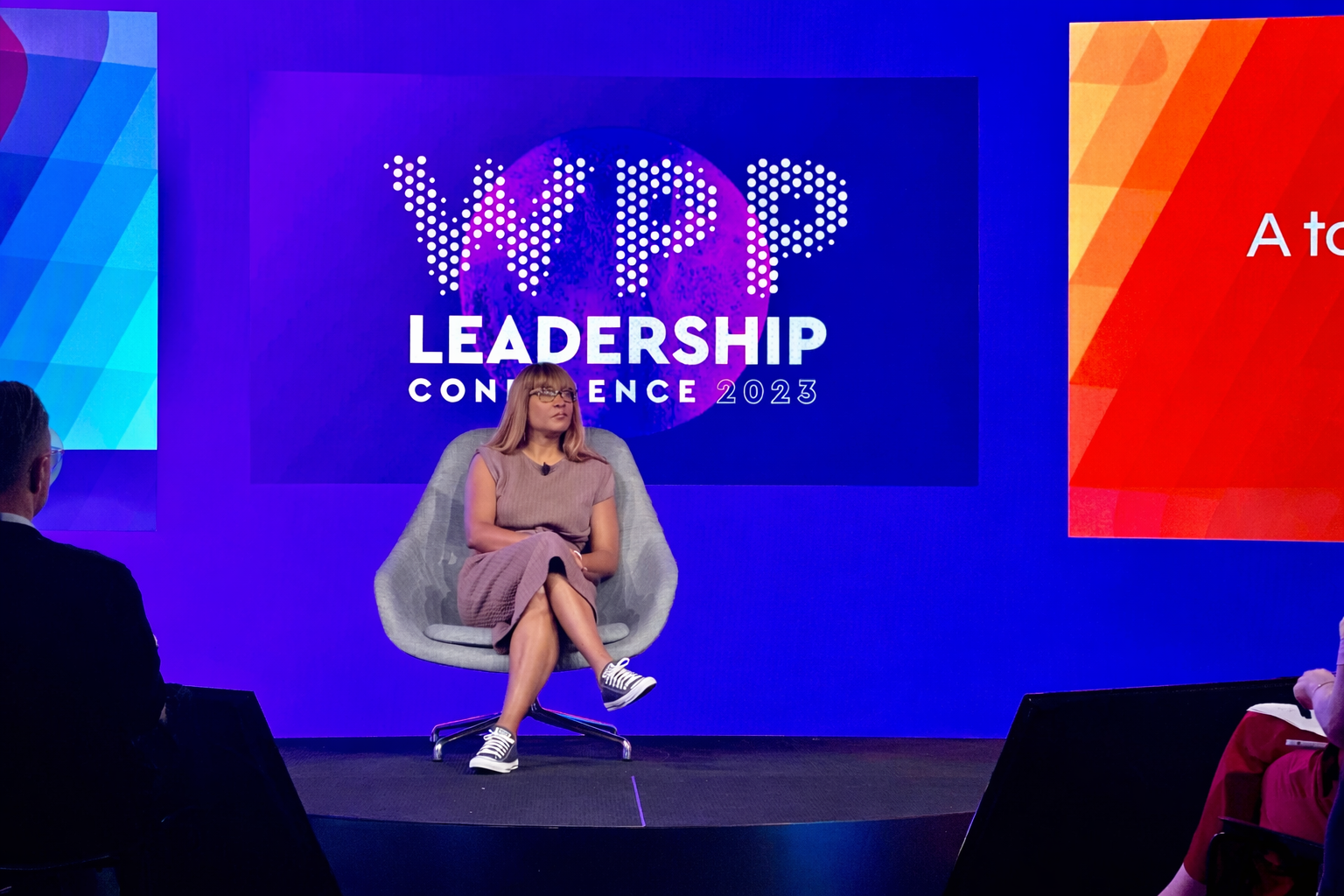
My career moved across editorial, brand strategy, and people leadership, through Condé Nast, Omnicom, and WPP. Across all of it the throughline was one question: what does this organization actually need, and what has to be built to make that possible? Not what leadership says it needs, not what the engagement survey reports, but what the structure of the work itself is demanding, and whether the people inside it have what they need to respond. I started my practice in 2012 to work on that question directly, without a layer of institutional priorities between the diagnosis and the work
From Geneèn
For years I ran the Architect pattern and called it my personality. I chose the way most professionals are taught to choose, from identity and aptitude. This is who I am, this is what I am good at, so this is the lane. It is a comfortable way to decide, and it narrows you a little more each time, because every choice made from who I am quietly closes the doors marked who the room needs.
My career started to flow once I stopped attaching my personality to it. I went from events, to client services, to account and people operations, and eventually the people function itself. From the outside each move looked like a leap. In reality it was me reading what the new room rewarded, and knitting my work into that pattern. There was no need to reinvent myself, because I understood that I am not my work. My work does not define me. What I bring to it is my choice.

I run the Architect pattern when the evidence calls for it, and I will keep running patterns like a route, chosen and changed for the terrain. That is the difference between performing and working.
Pattern literacy builds the kind of intelligence that makes you a more effective leader, a more strategic thinker, and a more durable professional inside the institutions you choose to operate in.
Understand the workplace and the patterns at play within it, and you stop managing performance and start building the conditions that produce it.
The Modern Manager Method is how you equip yourself to read the institutions you work inside rather than only perform within them.
Pattern literacy is the skill at its center: the ability to recognize the patterns that determine how power moves, how decisions get made, and how careers advance. It is the upstream skill most leadership development skips.
The people I work with learn to run their own patterns deliberately, design team environments on purpose, and read structural shifts before those shifts decide for them. They stop waiting for recognition and start building the conditions that earn it. They own the moment because they understand the movement it calls for.
What this practice isIf you are ready to own the moments and the movements, this is where your work begins.